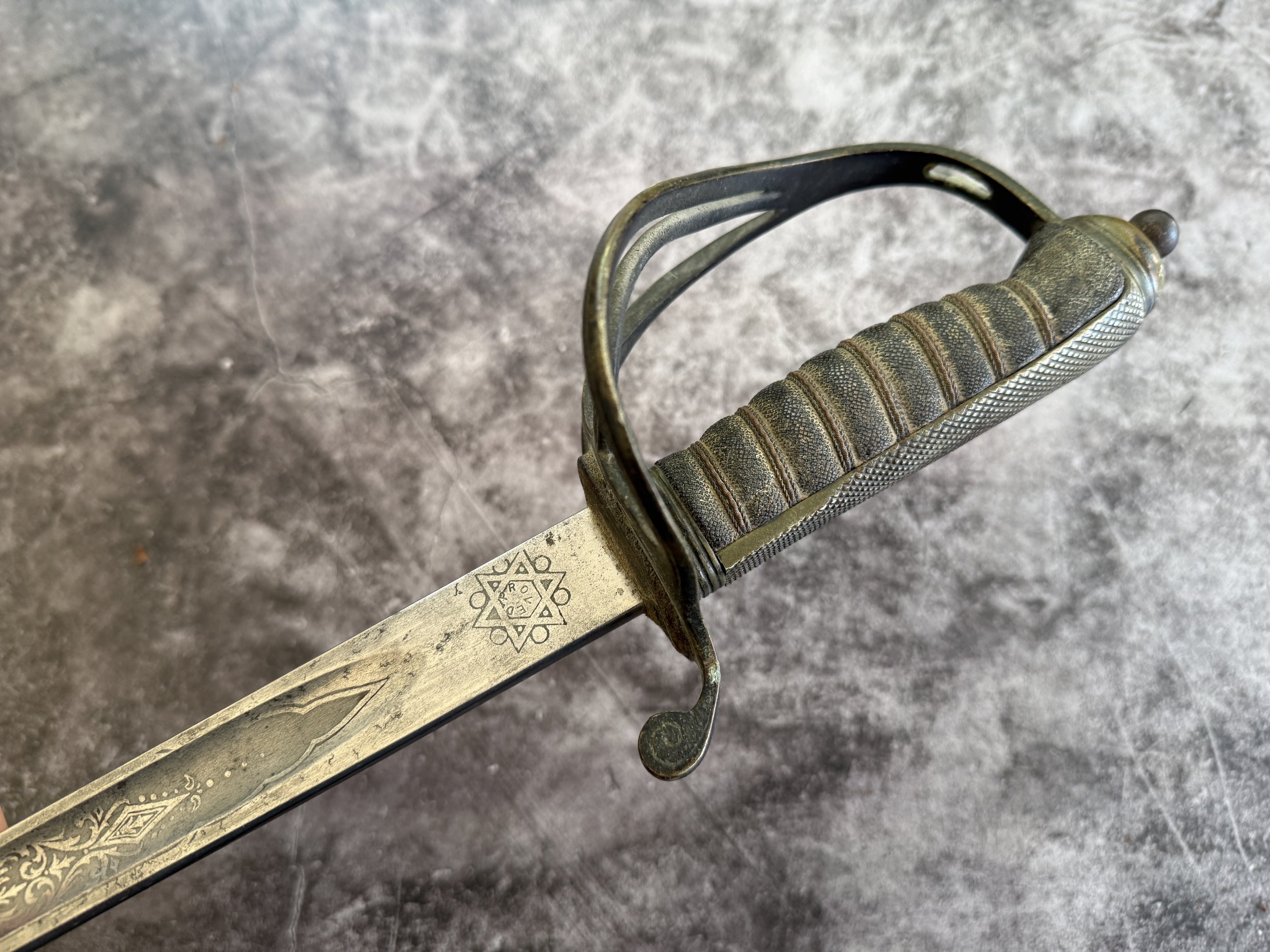
British Cavalry sword
Growing up in London during the 1960s, we lived in Fulham, back in the days when it was very much a working-class suburb, full of immigrants and council houses.
Today it's right in the middle of fashionable London, with those same little terrace houses selling for millions of pounds. Mum and Dad bought No. 4 Blake Gardens for just £6,000, and it even came with a resident tenant who lived upstairs.
His name was Major Baggs.
I had always understood that he had been a Major in the British Cavalry and lived there with his increasingly frail wife until they both eventually passed away.
When my parents sold the house in 1980, they thought they'd done very well, getting £15,000 for it.
What interested me far more, though, was what they found in the attic.
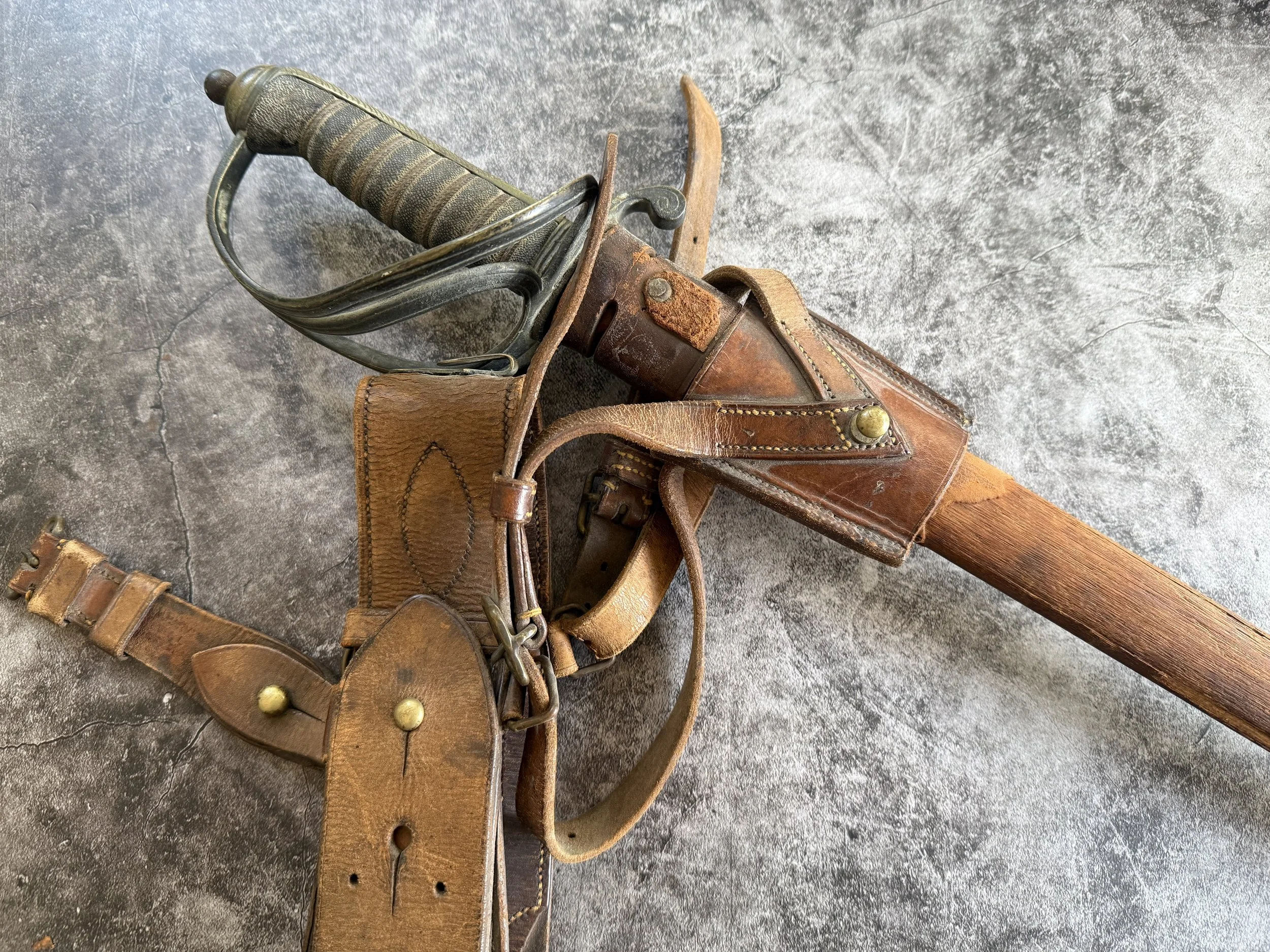
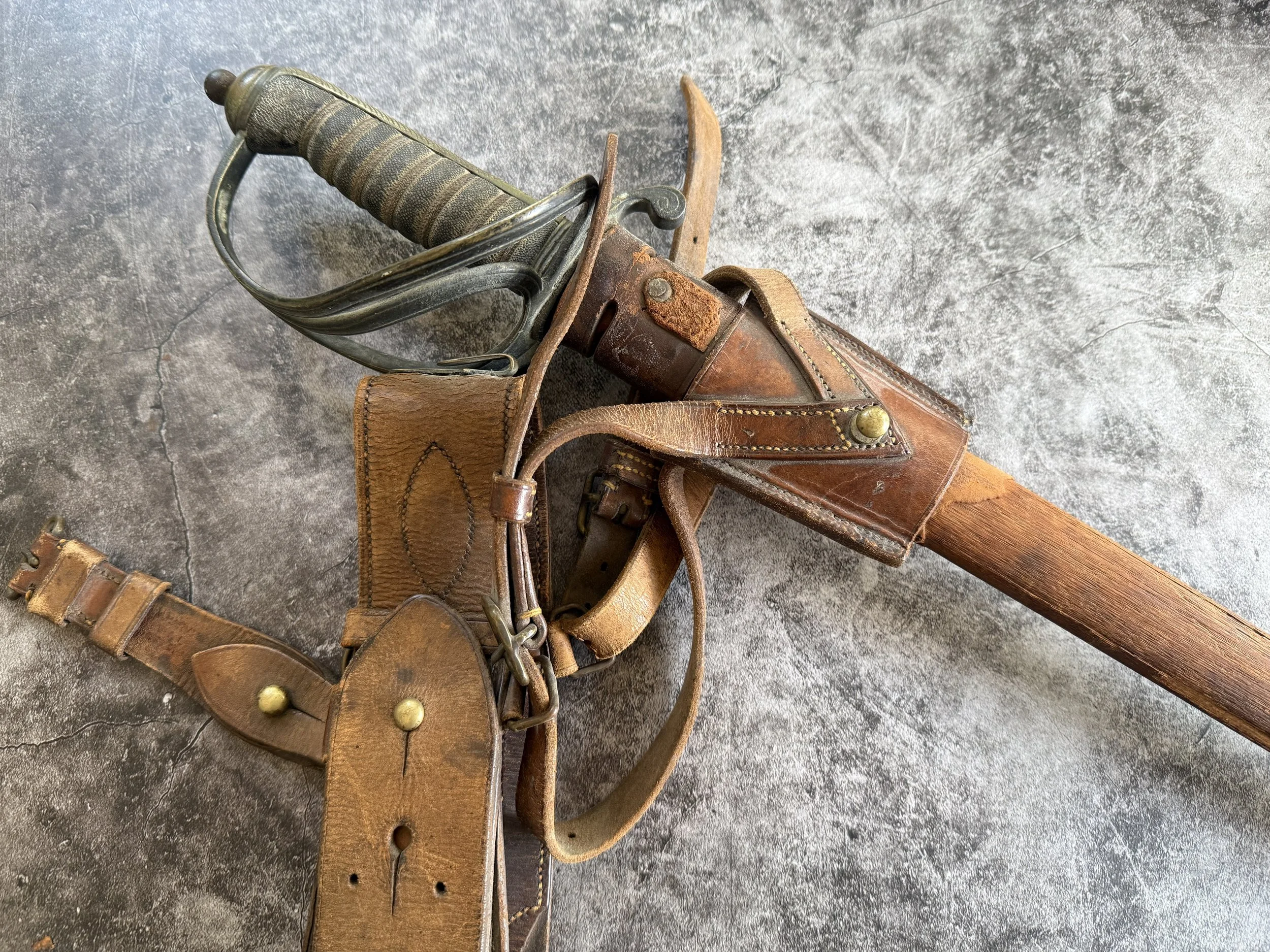
Amongst the forgotten boxes were a cavalry saddle, a Sam Browne belt, a couple of leather bandoliers (which sadly disappeared somewhere along the way), and this sword.
The sword was the only thing I really cared about.
As a teenage boy, owning a real cavalry sword was about as exciting as it gets.
Looking at it now with slightly older eyes, I appreciate it for different reasons.
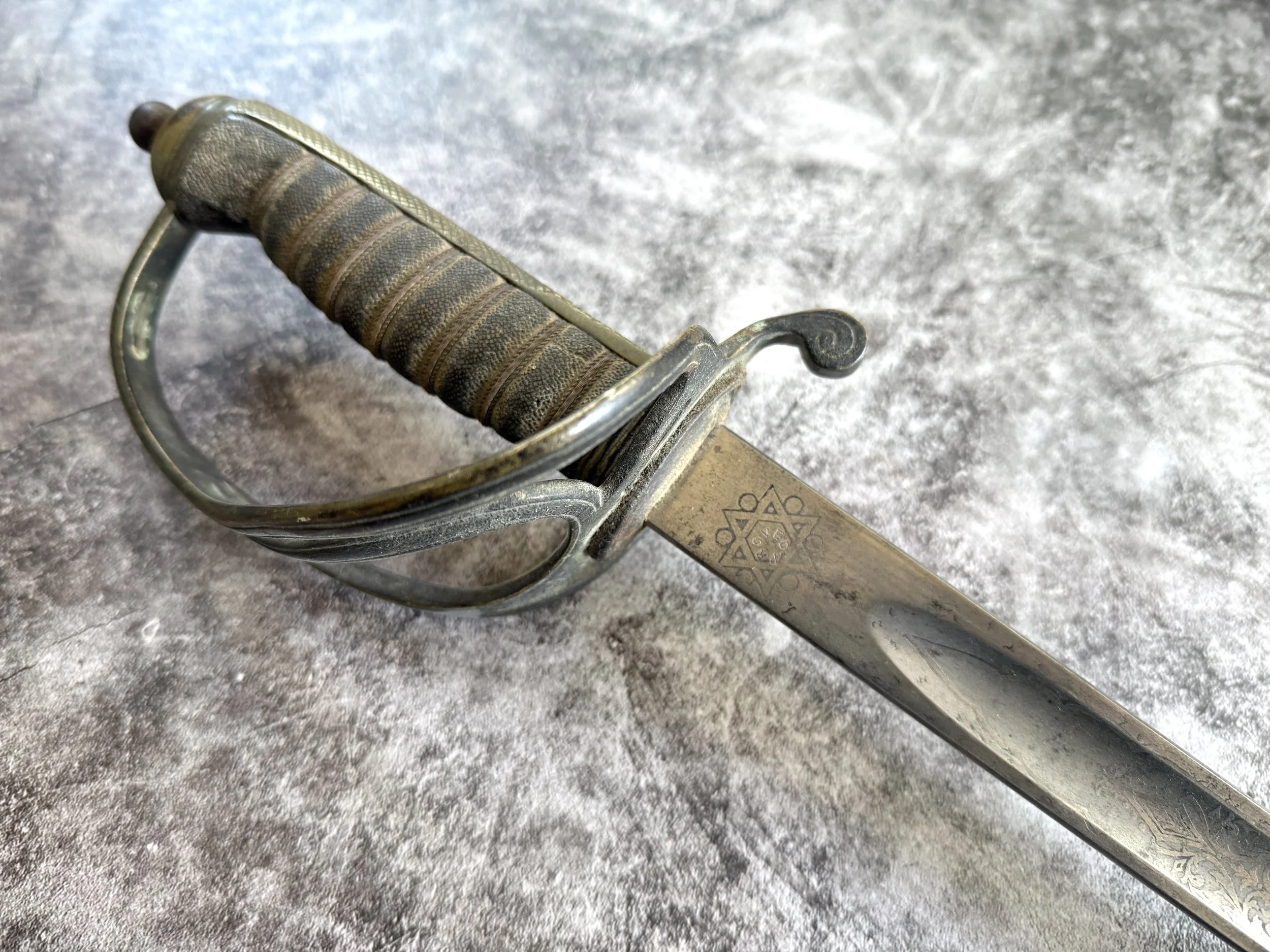
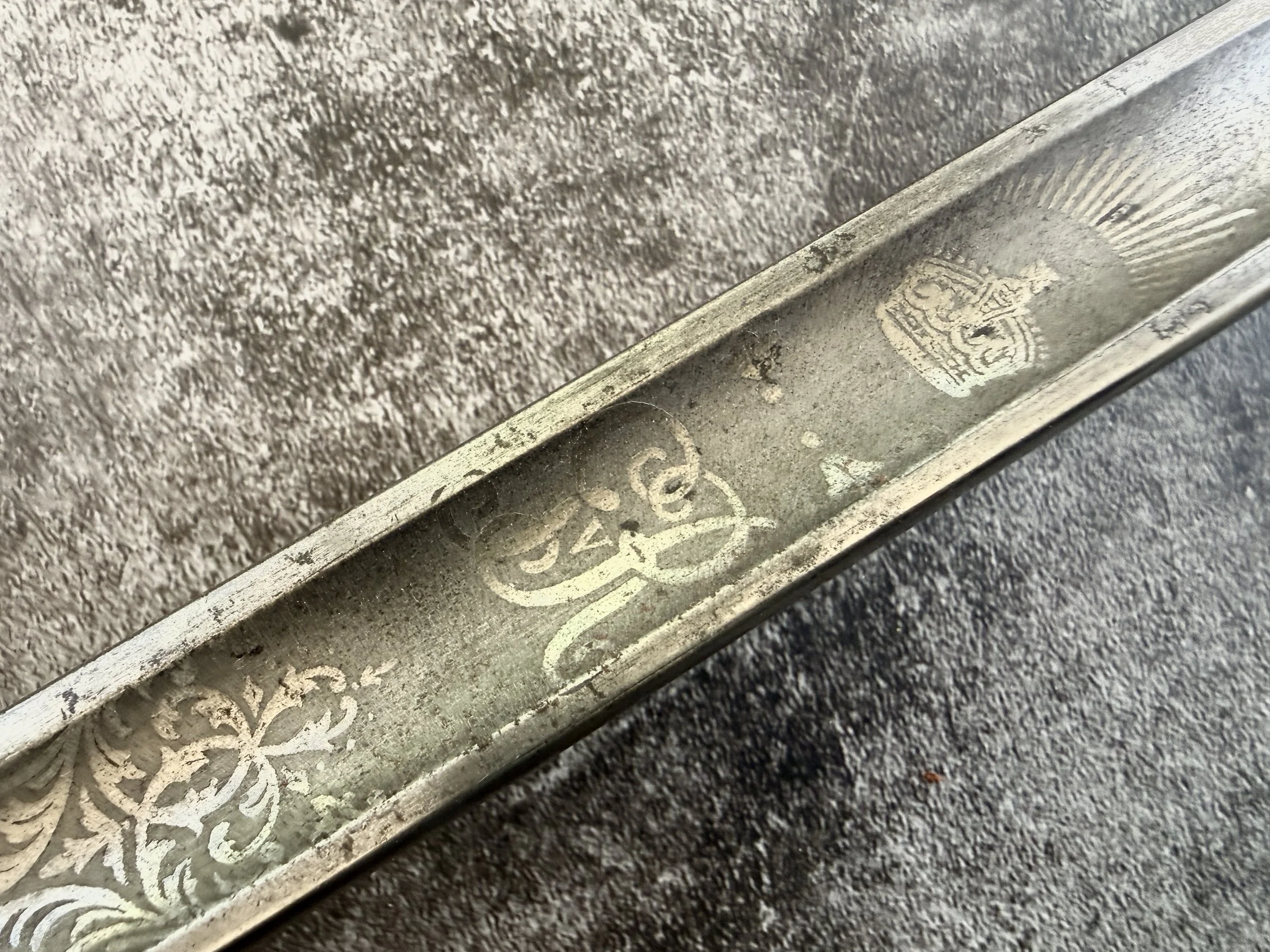
The blade is beautifully etched, the shark skin grip is still in remarkable condition, and although it isn't sharpened like a typical knife, it has a long, stiff thrusting blade designed for use from horseback. It belongs to a time when cavalry tactics still had a place in military thinking, even though that era was rapidly coming to an end.
The royal cypher on the blade dates it to the reign of King George V, placing it somewhere between 1910 and 1936. I often wonder whether it was carried during the First World War or whether it spent most of its life on ceremonial duties. Unless the sword could talk, I'll probably never know.
Like many old objects, it raises more questions than it answers.
Who made it?
Where did it travel?
Who carried it?
Did Major Baggs buy it himself as a young officer, or was it passed on to him?
I doubt I'll ever know those answers, but I'm happy enough just wondering.
As someone who now spends a lot of time making knives, I find myself appreciating the craftsmanship as much as the history. Someone forged this blade. Someone etched the decoration into the steel. Someone wrapped the leather grip, fitted the guard and assembled the whole sword, probably never imagining that more than a century later it would still be admired by someone living on the other side of the world.
I suppose that's what I enjoy most about old blades.
They don't just carry steel.
They carry stories.