Hunting for Old Knives
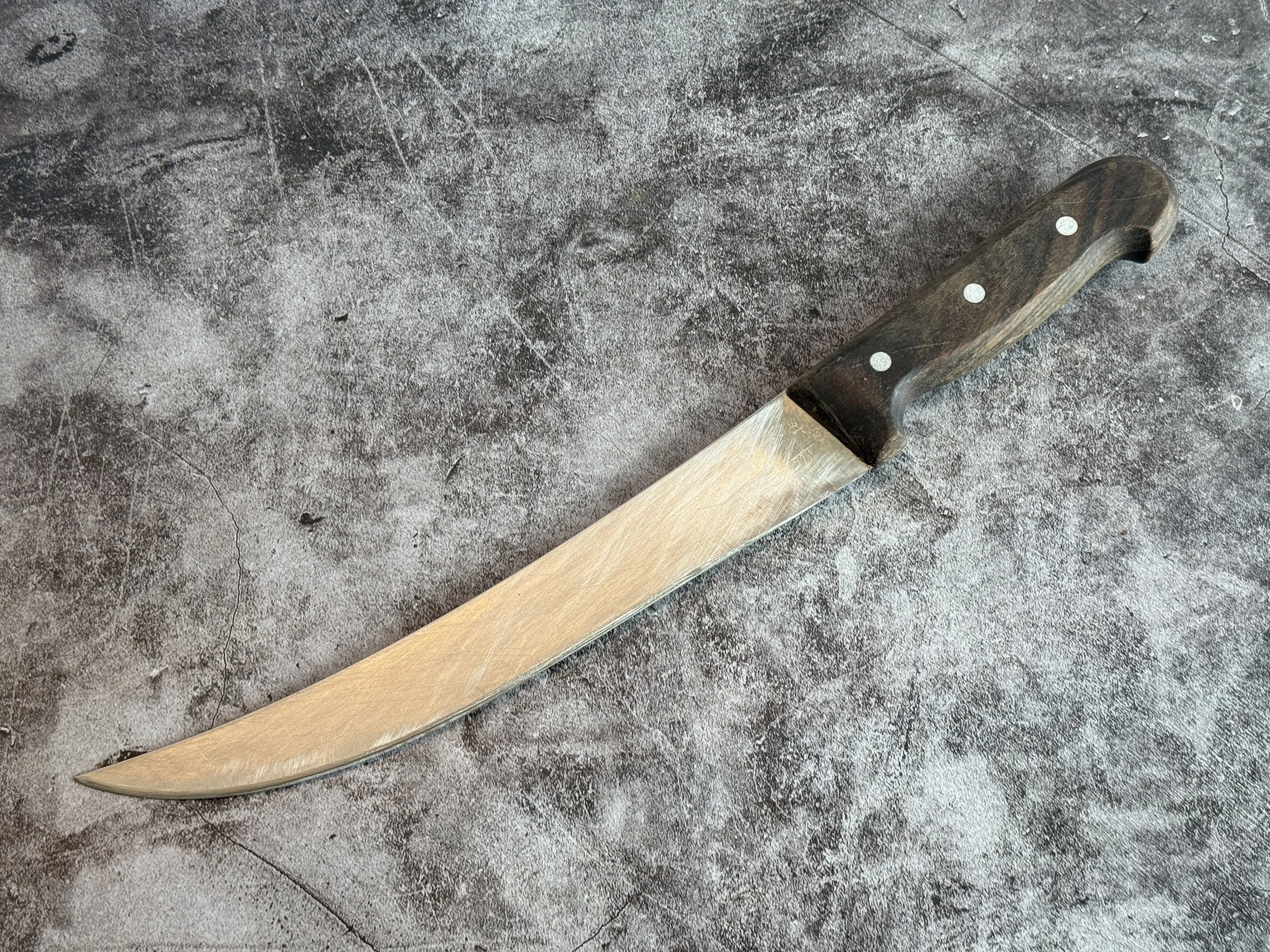
curved bladed butchers knife
One of the pleasures of travelling is never quite knowing what you'll bring home.
For years now, whenever Vicki and I have been away, we've made a habit of wandering through antique shops, junk shops and little second-hand stores. Sometimes we find nothing at all. Sometimes we discover something that becomes part of our lives for years afterwards.
We all collect something.
During nearly forty years as a photographer, I've built up a collection of old daguerreotypes—those tiny nineteenth-century portraits that have somehow survived generations of moves, wars and changing fashions. I often wonder who the people were, what their lives were like, and whether anyone remembers them now.
A few years ago I contacted the Queen Victoria Museum and Art Gallery in Launceston to see what they had in their collection. To my surprise, it turned out my own collection was more extensive than theirs. That eventually led to me giving a talk to the Friends of QVMAG about the history of daguerreotypes and some of the images I'd collected over the years.
Vicki's weakness is miniature houses.
Her previous life as an architect means she's always fascinated by structure, form and design. Over the years she's collected little cottages, churches and buildings from all over the world. Every one reminds us of a different trip, and together they now fill display cabinets and windowsills throughout our home.
Lately though, I've developed another weakness.
Old knives.
Not expensive collectors' pieces sitting safely behind glass, but honest working knives. The sort that spent decades in kitchens, butcher's shops and workshops before eventually finding their way into an antique store.
I love imagining the lives they've lived.
How many meals did they prepare? How many hands held them? What stories could they tell if steel could talk?
Every now and then I come across one that's impossible to leave behind.
This old knife was one of those.
With its sweeping 260 mm curved blade, it certainly isn't a subtle piece. It's almost sculptural, and even before I picked it up I couldn't help wondering what sort of work it had spent its life doing.
There's no maker's mark and very little to identify it. I suspect it was once a butcher's knife, although that's only an educated guess. The timber handle has worn smooth from years of use, and the blade bears all the marks of a hard-working life.
Since bringing it home, it has found a new purpose.
It has become my favourite knife for breaking down large cuts of meat.
The long sweeping blade is wonderfully suited to separating shoulders, trimming fat and working through the larger cuts that don't fit comfortably under an ordinary chef's knife. It is a joy to use, and I can't help wondering the life it led before it found its way into my kitchen. Judging by the wear on the handle and blade, I'd say it spent decades doing exactly the same job.
I like that.
Rather than becoming another ornament hanging on the wall, it's gone back to work.
I suspect the butcher who first owned it would approve.
Every old knife was once somebody's favourite tool. Somebody relied on it every day, looked after it, sharpened it and eventually wore it out. Unlike many antiques, these weren't made to be admired. They were made to work.
I don't know where this one came from or who owned it.
But I'm rather pleased that its story isn't finished yet.
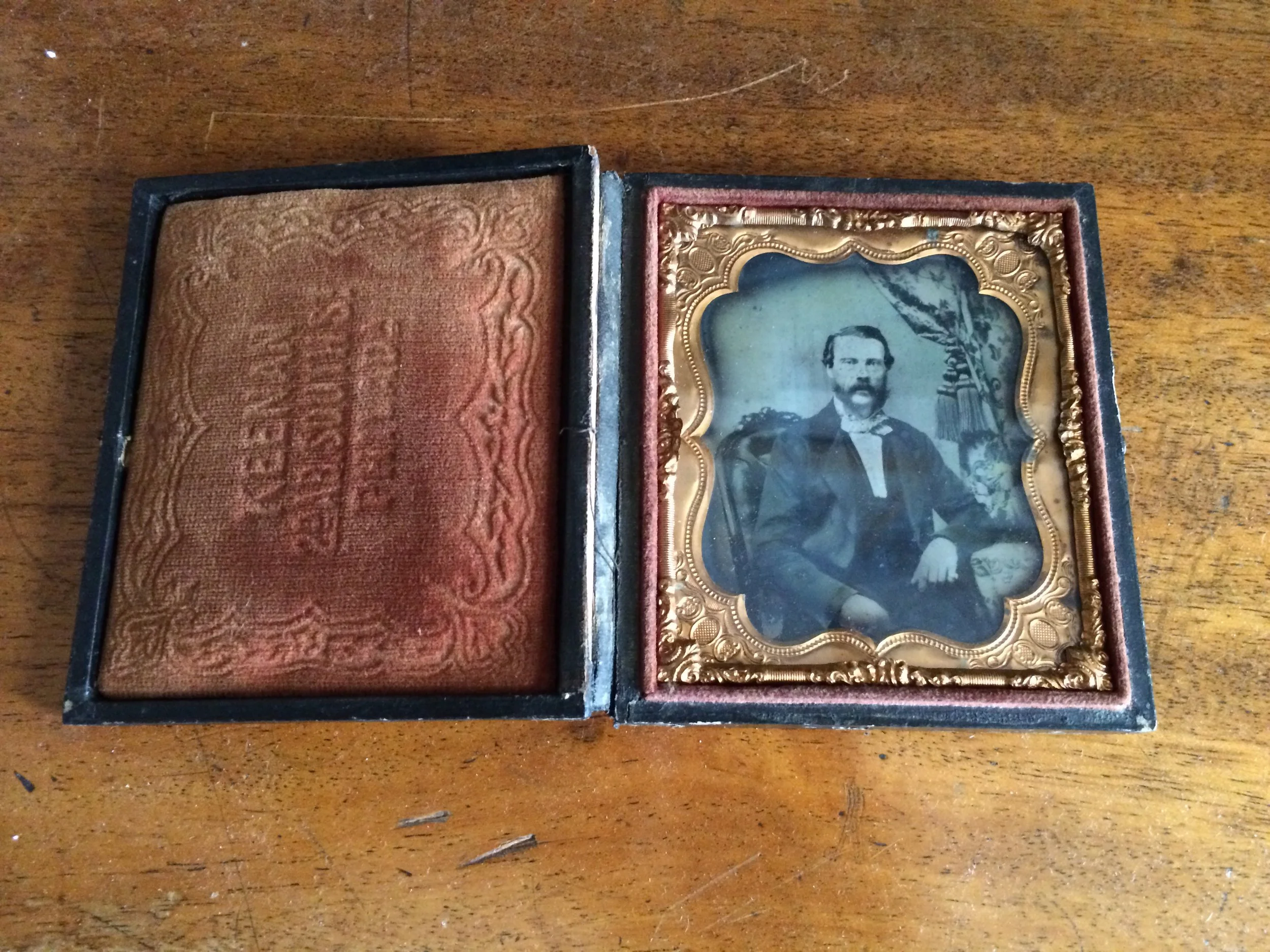
daguerreotype
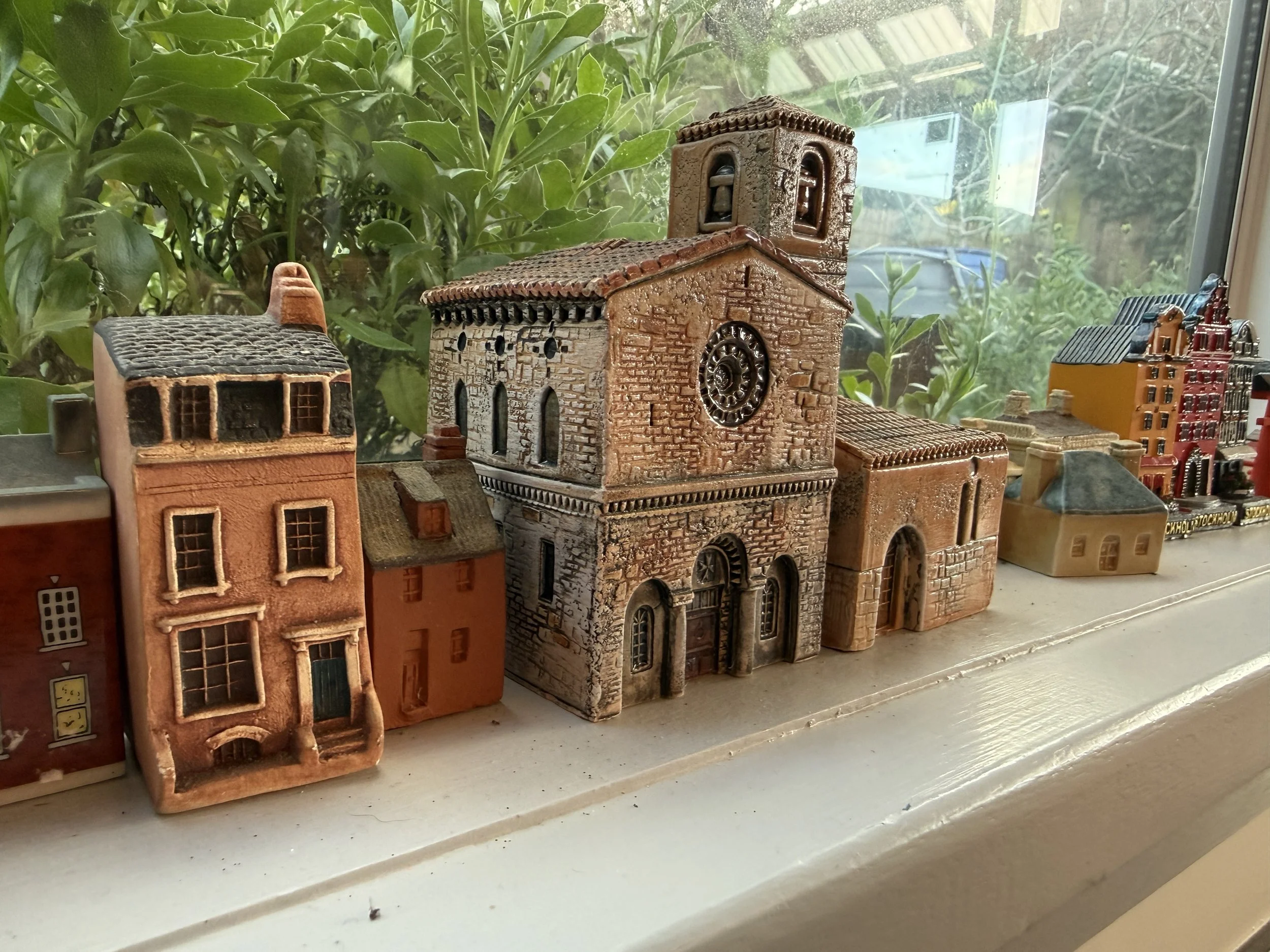
a small part of Vicki’s house collection